
Vet access • Payment arrangements

Which pet insurance will your vet accept?

Ask what “accepted” means at the front desk before using it to rank insurance companies.

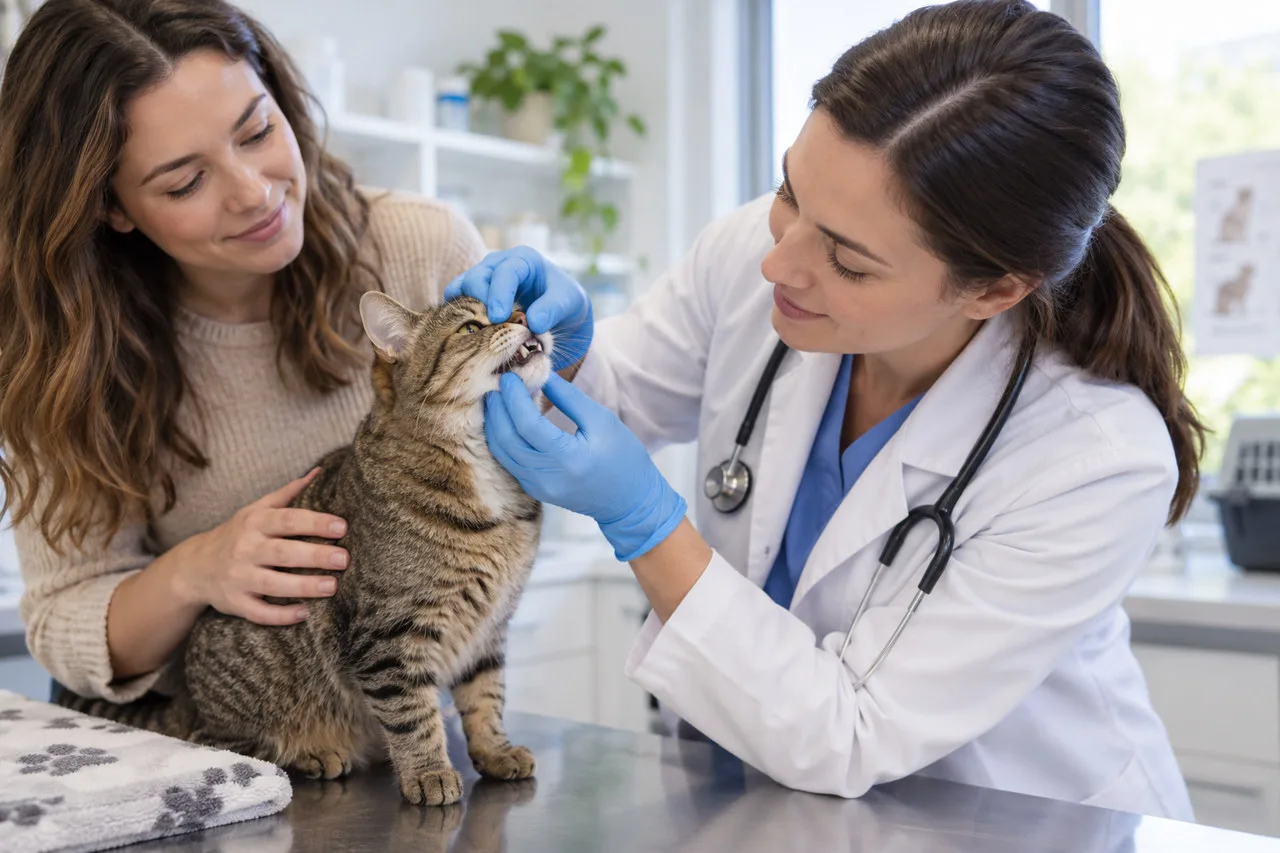
Veterinarian examining a cat held by its owner
✓ Policy-first ✓ Independent ✓ Useful checks
Direct answer
There is no verified marketwide “most accepted” winner established here. Many reimbursement policies let you use eligible licensed veterinarians without a human-style provider network: you pay the practice, then claim from the insurer. If “accepted” means the clinic gets paid directly, the answer depends on the insurer’s process and that specific clinic’s participation.
What to know

Three different answers can all sound like “yes”

What the clinic may mean What it tells you Question still to ask
We treat pets whose owners have insurance The clinic will provide veterinary care. When must I pay, and what documents will you provide?
We can provide invoices or help with a claim The practice supports claim documentation. Who submits the claim and receives reimbursement?
We can receive insurer payment directly A particular payment arrangement may operate here. For which insurer, under what conditions and at what stage?

Do not turn the first answer into the third. A receptionist saying the practice “takes all insurance” may simply mean it treats insured pets and supplies invoices. That can work well if you can pay first, but it does not resolve a need for reduced cash at checkout.

Likewise, a practice that does not submit claims may still be usable under a reimbursement policy. Confirm the insurer’s veterinarian and treatment-territory requirements separately from the clinic’s administrative services.

How it works

Direct payment is not one universal process

Trupanion describes direct payment through participating veterinary hospitals using its system. For that route, verify that the practice actually participates and can use the process for the intended visit. You still need to understand your share and what happens if the claim is not approved at that point.

Pets Best describes a different vet-direct reimbursement process involving a signed release and payment after a claim is processed and approved. Ask whether the practice agrees to that route and whether it changes the amount you must advance. Do not assume a reimbursement sent to the vet means an instant checkout guarantee.

Its broad licensed-veterinarian access should therefore be evaluated separately from the narrower question of who finances the bill while the claim is reviewed.

These examples explain arrangements, not a survey of clinic acceptance. No count of participating practices was independently compared, and no insurer is declared the most widely accepted.

What to know

Use this short front-desk check

  • For this insurer, do I pay the full invoice at the visit?
  • If you can receive insurer payment, is that at checkout or only after later approval?
  • What deposit, deductible, coinsurance or excluded charges remain due from me?
  • Who sends the medical notes and itemized invoice, and who follows up if a document is missing?
  • What is the fallback if the insurer cannot give a decision before discharge?

Record the practice name and the role of the person answering, then confirm material payment terms with its billing team. Do not interpret an informal estimate as the insurer’s coverage decision. The veterinarian determines care; the clinic sets its payment requirements; the policy determines insurance benefits.

If the office has never used the proposed insurer process, ask it to verify the arrangement before you rely on it. That avoids learning during an urgent visit that “we can help with insurance” meant only printing an invoice.

What to know

What if the clinic says it does not accept insurance?

Ask which part it is declining. “We do not bill insurance” can mean the owner must pay and submit the claim. That answer does not, by itself, tell you that the clinic is ineligible under a reimbursement policy. Confirm the insurer’s veterinarian requirements and obtain the necessary invoice and records.

“We do not participate in that direct-payment system” is more specific. It means that payment route is unavailable there, even if ordinary owner reimbursement could still be possible. Decide whether paying first is workable; do not pressure the practice to describe a nonparticipating arrangement as active.

If the answer concerns a particular treatment being excluded, ask who made that coverage determination and under which policy. A clinic employee may be explaining an insurer response, estimating from experience or talking about its own billing rules. Clarify the source before changing providers or policies.

The objective is to translate a yes or no into a usable statement: this practice can treat the pet, this person must pay at this time, and this insurer will evaluate the claim under these terms. You do not need a marketwide acceptance ranking to establish those facts.

Coverage

Acceptance never proves that the treatment is covered

An eligible clinic can provide excluded care. A participating hospital can treat a condition that predates enrollment. A successfully submitted claim can still be reduced by cost-sharing or limits. Keep these questions distinct when comparing policies.

If your pet needs care now, contact a veterinarian and discuss payment promptly. Searching for a more “accepted” insurer does not make a new contract pay for an existing problem. Choose future insurance around a workable combination of medical terms and clinic-payment arrangements.

Evidence

Sources and policy context

These public references support the consumer or veterinary context. Named insurer details were checked in official product materials; the policy offered for your pet and state determines the actual terms.

Next step

Compare Current Pet Insurance Rates

Check current options for your pet and location, then compare the policy details, exclusions, costs, and eligibility before choosing.

Compare the policy before you choose Check the actual offer, exclusions and out-of-pocket terms.
See Rate Options